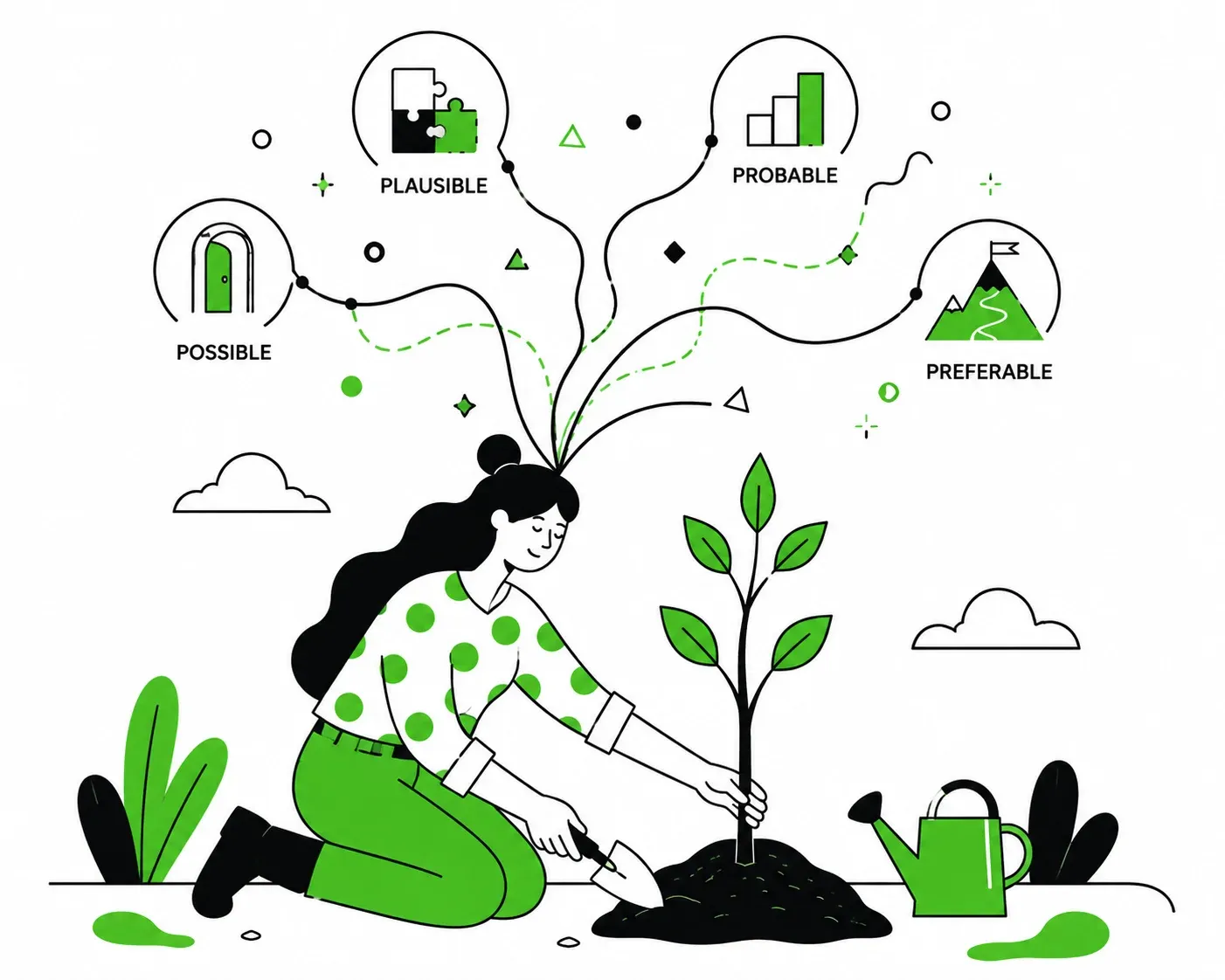
We often speak about the future as though there were only one. But what if the future is plural? This article explores why societies and organisations inherit the probable future instead of deliberately designing a preferable one.

This article explores how leadership, culture and organisational readiness interact, and why an organisation's capacity ultimately determines whether AI creates meaningful change.

While most organisations can measure AI adoption, far fewer can measure its broader effects. Using Coinbase as a case study, this article explores the gap between adoption metrics and impact metrics, and why organisations often track different dimensions of AI at different stages of adoption.

Most AI initiatives fail because organisations treat AI adoption as a technical deployment instead of a continuous change management process.

Many organisations execute well but still fail to achieve what truly matters. This article explores strategic misalignment in decision-making, and illustrates it through a real case where strong growth ultimately undermined the outcome the business needed to deliver.

Many organisations are making AI usage visible before they can demonstrate real value. This article examines two cases to show why “adoption” is not one thing, and why evidence of use, value, and organisational capability must be treated differently.

Public financial management in the UK is strong in reporting, yet systems designed to control budgets often fail to manage productivity. From defence to digital reform, cost visibility is the missing link behind government efficiency.

Winter storms are more than weather events. They are moments where climate, adaptation and everyday systems meet, revealing how societies quietly make sense of demanding seasonal conditions.

Real trust and change are built through small, consistent decisions. A reflection on how micro-actions shape both personal growth and systems over time.

Zohran Mamdani’s campaign may show how leadership now operates — where empathy, design, and structure work together to build trust and mobilise change.

When we talk about sustainable finance, we often ask how to mobilise more capital for good. Yet the real question may be different: how does capital behave within a system? Across infrastructure, housing and care, money doesn’t just fund change — it shapes it.
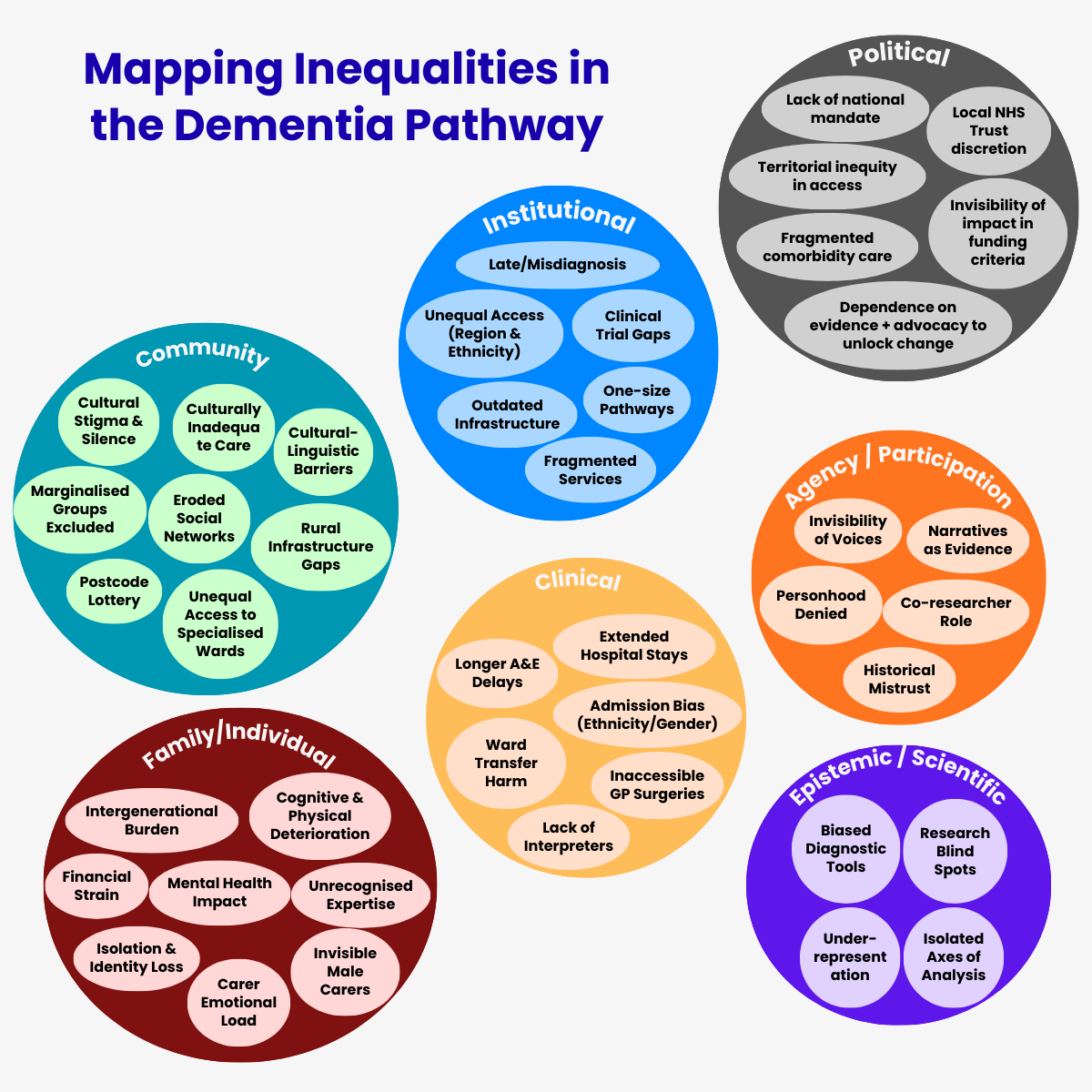
Insights from the 2025 Alzheimer’s Society Conference on dementia care inequalities across policy, services, communities and families in the UK.