What Zohran Mamdani’s campaign may reveal about the future of leadership
Zohran Mamdani’s campaign may show how leadership now operates — where empathy, design, and structure work together to build trust and mobilise change.
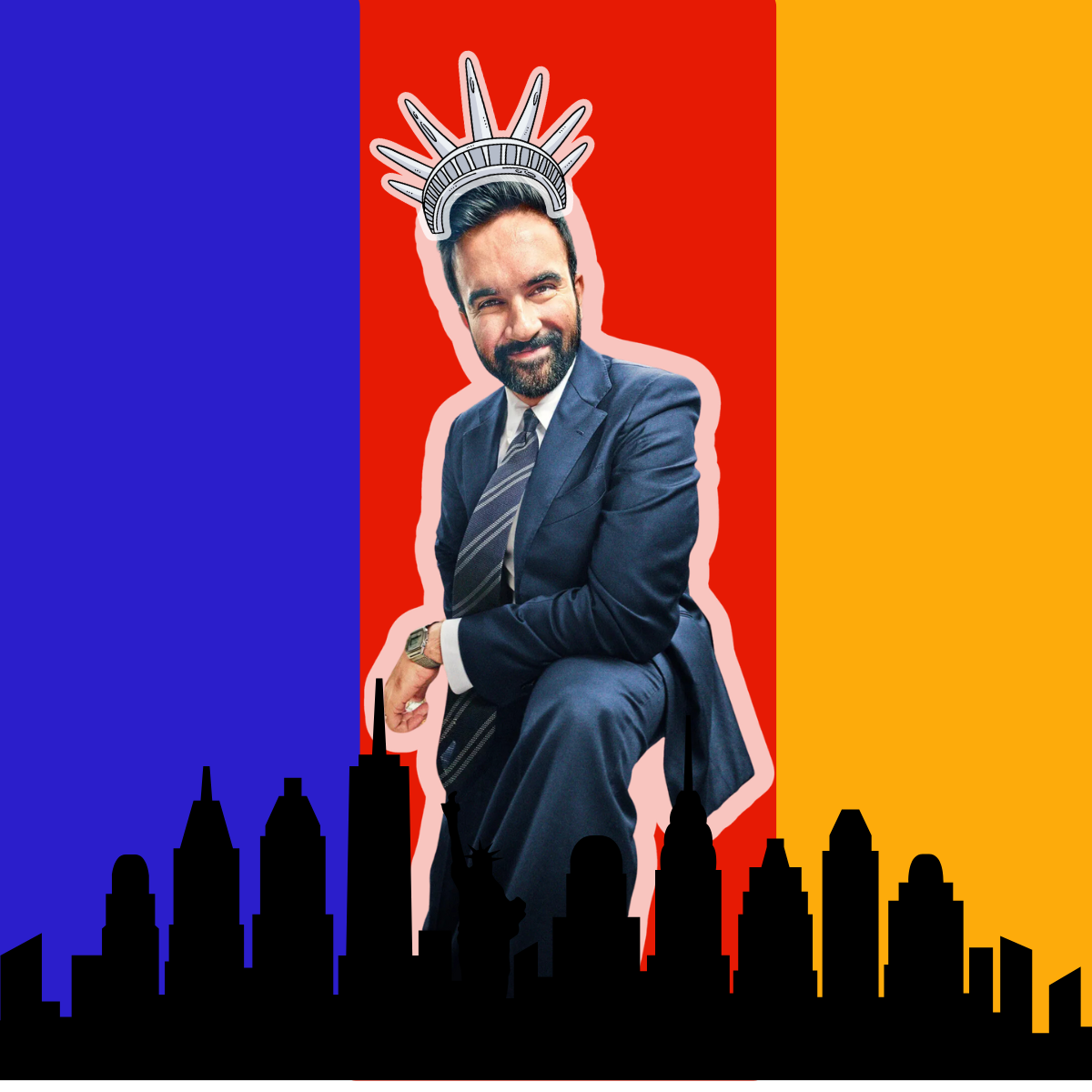
I’ve always been drawn to the anatomy of leadership — not titles or formal authority, but the invisible thread that makes people move with someone. At its best, leadership is coherence made visible — a quiet alignment between what someone says, how they say it, and what others feel in their presence. Sometimes, a figure rewires how that connection works. Zohran Mamdani is one of them.
Yes — he’s a politician. But this article isn’t about whether his policies are viable or the fine print of his proposals. This is about understanding the conditions that made Mamdani’s campaign effective enough to win — how empathy, design and organisation came together to shape a new kind of political connection, and what that reveals about how leadership now operates.
After reading several analyses and following the campaign closely, I began to see clear layers in how Mamdani’s leadership operated — structural, media, and narrative. Each reveals a different dimension of how his campaign achieved traction and scale.
1. Organisational and mobilisation capacity — how he builds and activates collective action
What stands out first is how he built capacity from almost nothing. Eight thousand members of the Democratic Socialists of America grew into a network of thirty thousand active volunteers. That’s not ideology — that’s logistics.
He showed that movements don’t grow through belief alone; they grow through structure. Systems, data and coordination did the real work. Within months, scattered enthusiasm turned into an organised model — using digital tools to link young people with a shared purpose.
It’s a simple reminder: effective leadership needs structure. It’s not just about inspiration, but about building the conditions that help people act together.
2. Media and communication strategy — how he uses design and platforms to connect
Then there’s how he communicated — not mainly through speeches, but through design. He treated attention as something to be earned through clarity and consistency, not noise.
His campaign mastered short-form video: vertical, fast, and made for phones. Each clip was direct and easy to relate to.
The visual identity stayed the same everywhere — typography, colours, tone, pacing. That consistency built recognition and trust. (Thelogo.brand offers a good breakdown of how this visual system strengthened credibility and emotional reach.)
Ezra Klein, columnist at The New York Times, called him “the first politician truly native to social media”. Mamdani didn’t use platforms as megaphones; he used them as feedback loops — to listen, test, and adjust in real time. None of this was decoration. It was communication built on data, discipline, and a clear sense of tone.
Beyond visuals, Mamdani also practised what could be called intercultural communication — using language as a way to include. In the weeks before the election, his team released videos in Urdu, Arabic, and Spanish, each aimed at specific communities. It wasn’t only translation; it appeared to be an effort to show recognition and meet people in their own space. Speaking to people in their own language may have been a campaign tactic — but it was also a sign of respect. If trust grows when people feel seen, speaking in their language likely contributed.
3. Narrative construction — how he shapes meaning and emotional tone
Every strong movement has a story — and Mamdani’s campaign built one that people could easily repeat. Observers noted that he shifted the tone of the left from anger to optimism, presenting himself as what one commentator called a “happy and hopeful warrior”. That change of tone seemed to alter the mood around his campaign and made participation feel more open.
His messages were short, rhythmic, and easy to remember. “Freeze the rent!” wasn’t just a slogan; it worked like a chant people could join. Its phrasing and rhythm may have helped it travel further without losing clarity.
If we see this as narrative design, it shows how campaigns can shape messages for emotional recall as much as for policy content. This approach might also explain how he reached audiences beyond his political base — not by changing his views, but by simplifying the story.
In a crowded information space, one possible lesson is this: people may not follow the loudest argument, but the story that feels closest to their own.
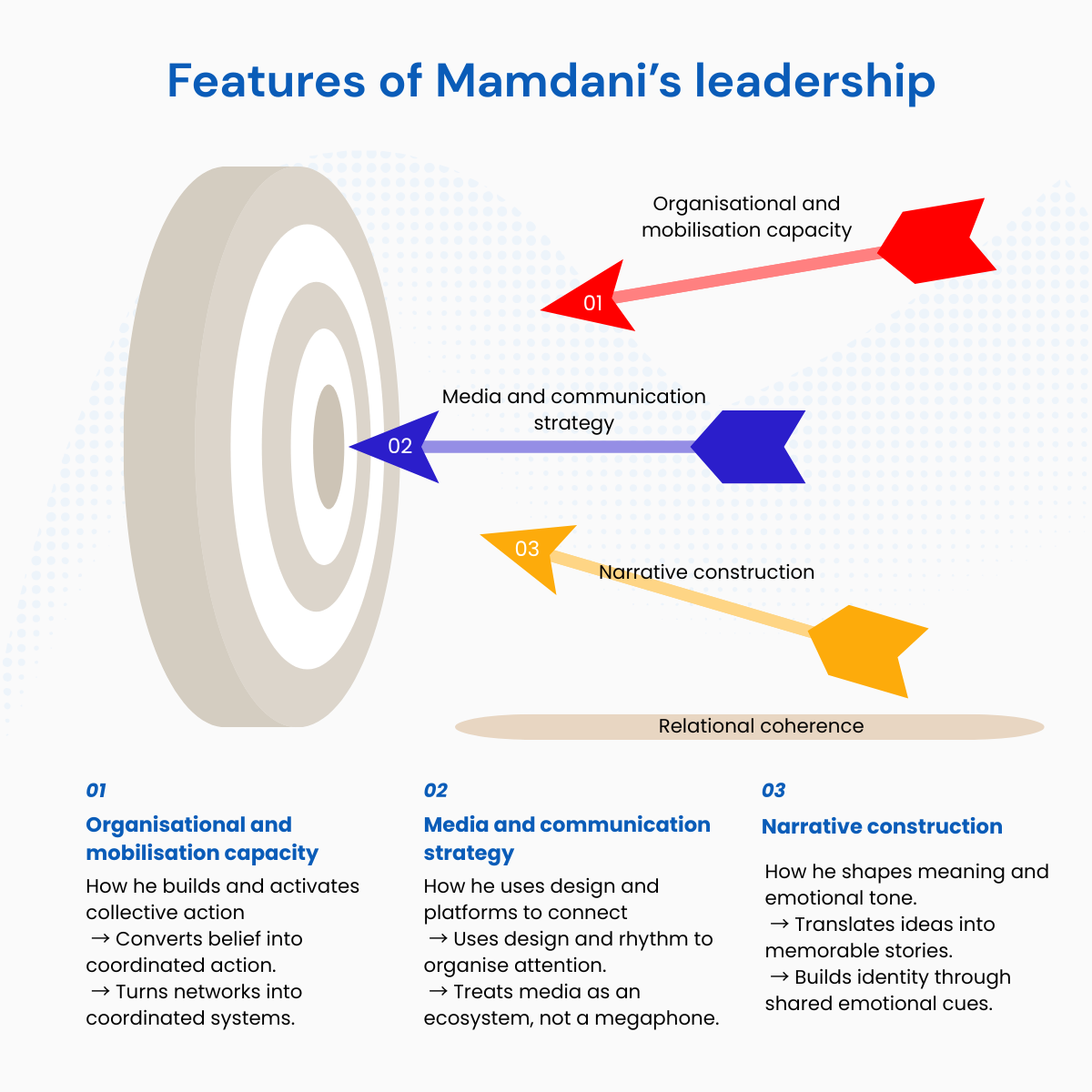
Relational coherence: the ability to align empathy, structure, and clarity in real time
Beneath the visible structure, there seems to be something harder to measure but central to how his campaign operated. Mamdani’s style appears to combine emotional intelligence with organisational discipline — a mix that may have strengthened how he connected with voters.
- Structured empathy: He once told New York Magazine: “We have to listen more and lecture less”, reflecting on what he learned from conversations with Trump voters. If this attitude guided his approach, it may have helped him translate economic anxiety into practical proposals — rent freezes, free childcare, affordable transport.
- Emotionally tuned communication: His messaging often appeared to come from lived experience rather than abstract ideology — the kind of “kitchen-table economics” that speaks to everyday reality before politics.
- Translation of discontent into collective motion: His campaign seemed to turn frustration into participation. The tone was more relational than combative — he spoke with people rather than for them. It suggested an emphasis on empathy and care, rather than anger or confrontation.
- Visible enjoyment of the role: He was frequently described as having the “biggest smile” — a visible energy that contrasted with the fatigue often seen in politics. During the UK elections in May 2025, one analyst noted that “you rarely see British politicians who genuinely seem to enjoy what they do”.
If genuine, this sense of enjoyment might indicate alignment between purpose and expression — something that could make leadership feel more human and less performative. - Ethical containment: Observers also pointed to his composure under criticism — responding with calm and empathy rather than escalation.
If consistent, this restraint could be seen as a form of ethical discipline: firmness without aggression.
It may be more accurate to see this as a leadership of translation rather than imposition — one that seems to turn everyday concerns into a shared political language. If there is innovation here, it might lie less in empathy itself than in the structure that supports it. Mamdani’s campaign appeared to merge organisation, media, and narrative into a single, coherent system. In a political environment often marked by control and cynicism, that coherence may have stood out as something new.
This analysis isn’t about ideology or feasibility; it’s about the possible relational core — the human architecture that allows a leader to connect, communicate, and build trust at scale.
From there, several patterns in his campaign may point to how such leadership operates in practice.
Lessons from Mamdani’s campaign
From Mamdani’s campaign, a few patterns may offer structural insights into how leadership can operate in today’s environment. These are not conclusions, but possible lessons that emerge — features that seemed to shape how his message gained traction and trust.
- Technical skill rarely wins on its own; relational strength often does: He seemed to succeed through listening and aesthetics, not through policy detail.
- Emotional voting can be rational when anchored in everyday concerns: His campaign appeared to turn economic anxiety into a clear, practical programme.
- Communication is a form of governance: Coherence between message and action may become the hardest test once in power.
- Leading in polarised contexts requires visible calm: In an environment of instant scrutiny, tone can matter as much as decisions themselves.
- Modern progressive leadership may be hybrid: The ability to integrate media, movement, and management could define effectiveness more than ideology.
- Mobilisation depends on structure, not emotion: Sustained participation tends to come from organised systems, not from enthusiasm alone.
- Trust can begin at the level of design: Visual coherence and inclusive communication may work as early signals of credibility.
- Coherence may be the new authority: In a fragmented information space, alignment between what leaders say, show, and do might matter more than ideological alignment.
In his victory speech last week, Mamdani included a short phrase in Arabic: “ana minkum wa alaikum” — “I am of you and for you”. For many listeners, it seemed to summarise the tone his campaign had built over time — leadership expressed less as hierarchy and more as belonging and service.
If there is a broader lesson here, it may be this: leadership today could be less about dominance or charisma, and more about coherence — the ability to align purpose, design, and emotion in real time.
Mamdani’s campaign may illustrate that shift: a possible model of power built on clarity, empathy, and trust. It suggests a quiet transition — from leaders who aim to be followed, to those who learn how to make others feel seen.