
Many organisations are making AI usage visible before they can demonstrate real value. This article examines two cases to show why “adoption” is not one thing, and why evidence of use, value, and organisational capability must be treated differently.

Public financial management in the UK is strong in reporting, yet systems designed to control budgets often fail to manage productivity. From defence to digital reform, cost visibility is the missing link behind government efficiency.

Winter storms are more than weather events. They are moments where climate, adaptation and everyday systems meet, revealing how societies quietly make sense of demanding seasonal conditions.

Real trust and change are built through small, consistent decisions. A reflection on how micro-actions shape both personal growth and systems over time.

Zohran Mamdani’s campaign may show how leadership now operates — where empathy, design, and structure work together to build trust and mobilise change.

When we talk about sustainable finance, we often ask how to mobilise more capital for good. Yet the real question may be different: how does capital behave within a system? Across infrastructure, housing and care, money doesn’t just fund change — it shapes it.
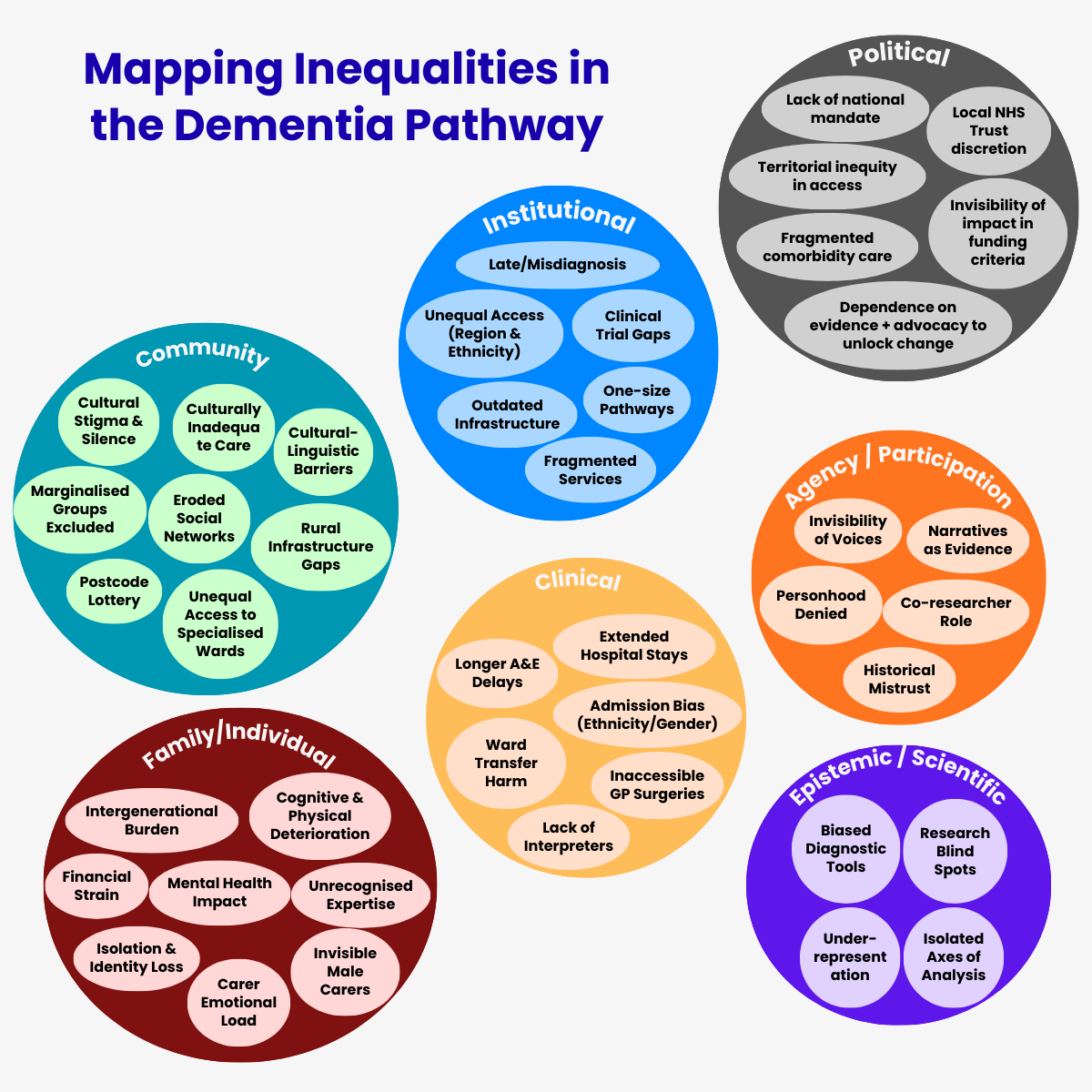
Insights from the 2025 Alzheimer’s Society Conference on dementia care inequalities across policy, services, communities and families in the UK.
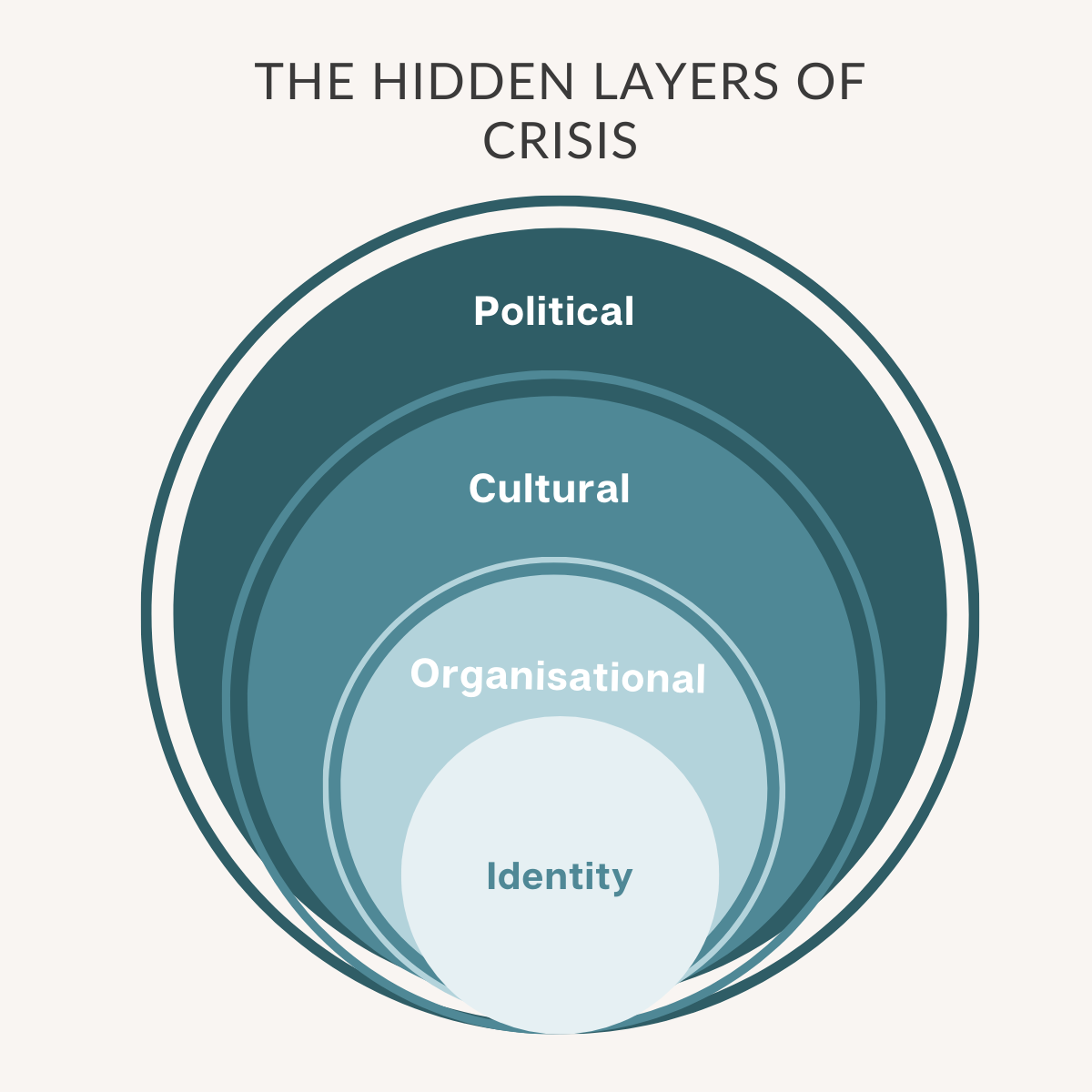
Institutions rarely collapse overnight. Behind every visible breakdown lies a chain of hidden layers — identity, organisational, cultural, and political — that shape how crises emerge and unfold.

The system didn’t fail because something unexpected happened. It failed because what was expected wasn’t managed.
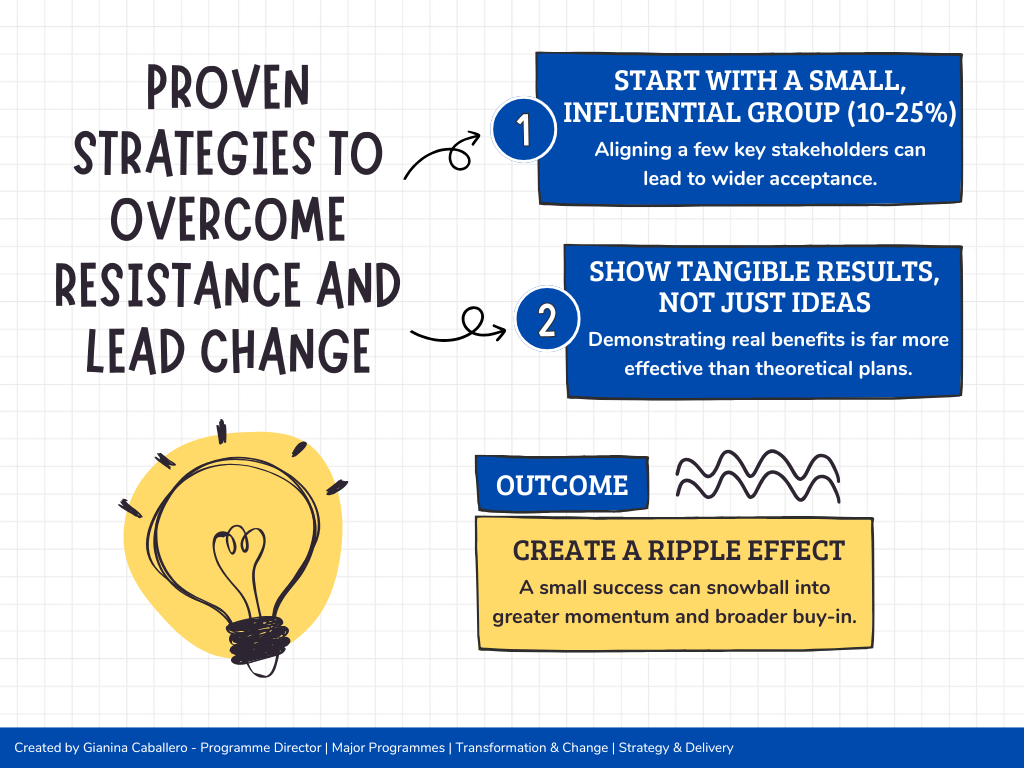
Most transformations don’t fail due to poor strategy — they fail because people feel left out. Here’s how to overcome resistance and lead real change.
The UK’s new Infrastructure Strategy sets bold ambitions — but turning intent into delivery will require governance reform, capabilities, and systemic resilience. Here are my reflections on what it will take to achieve real impact.

What the government’s latest migration policy reveals is not just a shift in visa rules — but a deeper pattern of reactive governance, driven by ego and short-term survival instincts. The risk is not a migration crisis, but a crisis of governance itself.